
Work Employment
Working Holiday Visa (Subclass 417 and 462)
- Maximum 4 months study.
- Aged 18 to 30 years and hold an eligible passport.
- The principal purpose to holiday in Australia.
- Enter or remain in Australia as a genuine visitor.
- Meet health and character requirements.
- Sufficient funds for airfares and personal support for stay in Australia.


Tourist Visa
The Electronic Travel Authority (ETA) was introduced to replace the complicated visa application process previously in place for Australian tourist visas. Once you obtain your unique authorization number, you may enter Australia as a tourist for up to 3 months.
The Australian holiday visa is a multiple entry visa and entitles you to stay up to 3 months on each visit within the 12 months from when your visa is granted. Enjoy your travels in Australia – contact Visa First today and arrange your travel visa the easiest way – using our expert migration agents.
Conditions for ETA
- You are allowed to enter the country unlimited times during the 12 months’ validity period, or until your passport expires.
- You can stay in Australia for a maximum of three monthson each visit.
- You do not have employment rights in Australia. Business visitor activities are not restricted – you can handle business enquiries, negotiations, attend conferences, etc.
- You are allowed to studyfor the period of your visa validity.
- You must be free of tuberculosis.
- You must not have any criminal convictions for which you have been sentenced for a total combined period of 12 months or more, whether or not the sentence/s were served.*
*If you have criminal convictions, you may still be eligible for another Australian visa. Contact Visa First today and you will be assessed so that our representatives find the most suitable option for a travel visa to Australia.


Visitor Visa
Visitor Visa (Subclasses 600, 601, 651)
- Maximum 3 months study.
- Intention to visit Australia is genuine.
- Meet health and character requirements.
- Sufficient money to support yourself during a stay in Australia.


Business Visa
With this visa you can work in your established business in Australia, travel in and out of Australia any number of times as long as your visa is valid, study in Australia, have your family accompany you to Australia, who will have the same entitlements as you and live in Australia as a permanent resident for five years (after 5 years, you will need to apply for a resident return visa)
Business Talent Visa (Subclass 132)With this visa you can work in a new or existing business in Australia, travel in and out of Australia any number of times as long as the visa is valid, study in Australia, have your family accompany you to Australia (they will have access to work and study rights) and live in Australia as a permanent resident for five years (after 5 years, you will need to apply for a resident return visa).
Business Innovation and Investment – subclass 188 (provisional)With this visa you can travel in and out of Australia any number of times as long as the visa is valid, have your family accompany you to Australia (they will have access to work and study rights) and establish a pathway to permanent residence.
If you are in the Business Innovation stream, you can renew your visa for an additional two years, a renewal application must be lodged online and your state or territory government must confirm, in writing, that they continue to support you. These visa allow future applications for permanent residency under the Subclass 888 Visa subject to satisfying the criteria of the temporary visa program.


Student Visa
Temporary Graduate Visa
Temporary Graduate (Subclass 485)
- This visa allows eligible international students who have completed an Australian education to stay in Australia to gain work experience.
- You can work in Australia for a period of 18 months and up to 4 years, depending on your qualification.
- This visa does not restrict the type of work you may do or the number of hours you may work.
- Applications for this visa must be made in Australia and you must hold an eligible student visa in the last 6 months.
- You must meet the Australian study, English proficiency, health insurance, health, and character requirements.
- You must meet the specific requirements of the stream in which you are applying for this visa.
Student Guardian Visa
Student Guardian (Subclass 590)
- Provides for certain persons to reside with a student in Australia, where the student requires a guardian, ie: the student is under 18 years of age.
- Study up to 3 months or study ELICOS for 20 hours per week for the duration of the visa.
- Meet the Genuine Temporary Entrant requirement.
- Sufficient funds for airfares and living costs.
- Meet health and character requirements.
- Acceptable health insurance.
Student visa (Subclass 500)
All of the following types of study are included on this visa.
- independent ELICOS (English Language Intensive Courses for Overseas Students)
- schools (primary and secondary)
- secondary school exchange program
- vocational education and training (VET)
- higher education
- postgraduate research
- non-award courses
- international students sponsored by the Department of Foreign Affairs or Defence.
Other visa options
For shorter periods of study, you can apply for a Visitor or Working Holiday Visa. There is also a visa option specifically for student guardians.
Australia, with its stunning landscapes, world-class education system, and vibrant culture, has become a top destination for international students seeking an enriching academic experience. In this guide, we will explore the reasons why Australia is a fantastic choice for studying abroad and provide valuable information to help you navigate your educational journey down under.
Why Study in Australia?- Academic Excellence: Australia is home to several prestigious universities known for their high-quality education, innovative research, and diverse academic programs.
- Cultural Diversity: Australian campuses are truly international, providing students with a multicultural environment that fosters global perspectives and lifelong friendships.
- High Quality of Life: With its excellent healthcare system, safe cities, and a high standard of living, Australia offers a comfortable and secure environment for students.
- Work Opportunities: Australia allows international students to work part-time during their studies and full-time during scheduled breaks, providing valuable work experience and financial support.
- Natural Beauty: From the Great Barrier Reef to stunning beaches, Australia’s natural beauty and outdoor adventures await those who love to explore.
Quick facts
- Australia has over 40 universities, with seven of them consistently ranked among the world’s top 100.
- English is the primary language of instruction.
- Australia is known for its research contributions, making it a hub for cutting-edge research projects.
- The country offers various scholarships and financial aid options for international students.
Australia’s strong economy offers graduates numerous career opportunities across various industries. The country is known for its thriving sectors in healthcare, technology, engineering, business, and more. Cities like Sydney and Melbourne are international business and finance hubs, while cities like Brisbane and Perth offer opportunities in mining and energy sectors.
Popular Courses- Business and Management: Australia offers a wide range of business-related courses, including
- MBAs and undergraduate degrees in business administration and finance.
- Information Technology: With a growing tech industry, computer science, software engineering,
- and data science programs are highly sought after.
- Health Sciences: Australia’s healthcare programs are renowned, making it an attractive destination
- for aspiring doctors, nurses, and healthcare professionals.
- Engineering: Engineering programs in Australia cover various disciplines, including electrical,
- mechanical, and civil engineering.


Skilled Immigration
The Australian government changes the types of skilled occupations based on the occupation list on timely manner. These changes happen during the shifting of supply and demand for particular skills in Australia. As the country has less manpower therefore they are inviting for skilled immigrants and to qualify for this visa you do not require sponsorship by an employer. It is a points-based system and is the most popular visa application pathway for skilled workers. a professional from any country can migrate to Australia through skilled migration visa program.
Skilled migration visas comes under different categories known as subclass
- Skilled Independent Visa subclass 189
- Skilled Nominated Visa subclass 190.
- Skilled Regional Visa subclass 489


Employer Sponsored Visa
Employer Sponsored Visas - Your Pathway to Work and Live in Australia
Australia offers several visa options for skilled workers seeking employment in the country through sponsorship by an Australian employer. The Employer Sponsored Visa programs allow businesses to address labour shortages by bringing in skilled workers from overseas. These visas provide opportunities for temporary and permanent residency, depending on the visa subclass.
Temporary Skill Shortage Visa (Subclass 482)
The Temporary Skill Shortage (TSS) Visa (Subclass 482) allows Australian employers to sponsor skilled workers to fill labour shortages when suitable Australian workers are unavailable. This visa offers flexibility in terms of work duration and occupation.
Key Features of the Subclass 482 Visa:
- Temporary Work: Stay and work in Australia for up to 2-4 years, depending on the occupation and stream.
- Work for Your Sponsor: You must work for the sponsoring employer in your nominated role.
- Multiple Streams:
- Short-Term Stream: For occupations listed on the Short-Term Skilled Occupation List (STSOL).
- Medium-Term Stream: For occupations listed on the Medium and Long-Term Strategic Skills List (MLTSSL), allowing stays up to 4 years.
- Labour Agreement Stream: For employers with specific labor agreements with the government.
Eligibility Criteria:
- Sponsorship: You must be sponsored by an approved Australian business.
- Nominated Occupation: Your role must be on the relevant occupation list.
- Skills and Experience: You must meet skill and qualification requirements for the nominated role.
- English Proficiency: English language competency is required unless exempt.
- Health and Character: Applicants must meet health and character standards.
Employer Nomination Scheme (Subclass 186)
The Employer Nomination Scheme (Subclass 186) is a permanent residency visa for skilled workers. It allows you to live and work permanently in Australia if you have been nominated by an approved Australian employer.
Key Features of the Subclass 186 Visa:
- Permanent Residency: Stay and work in Australia permanently.
- Work for Your Employer: You must work for the sponsoring employer in the nominated position.
- Pathway to Citizenship: Eligible to apply for Australian citizenship after a period of permanent residency.
- Three Streams:
- Direct Entry Stream: For workers nominated for a skilled position listed on the relevant occupation list.
- Temporary Residence Transition Stream: For 482 visa holders who have worked for their employer for at least 3 years.
- Labour Agreement Stream: For workers nominated under a labour agreement with the Australian government.
Eligibility Criteria:
- Sponsorship: You must be nominated by an Australian employer.
- Relevant Occupation: Your occupation must be on the list of eligible occupations.
- Skills and Qualifications: You must meet skill assessment requirements.
- English Proficiency: Demonstrate the required level of English language proficiency.
- Age Requirement: Generally, you must be under 45 years of age (exemptions apply).
Skilled Employer Sponsored Regional (Provisional) Visa (Subclass 494)
The Skilled Employer Sponsored Regional (Provisional) Visa (Subclass 494) allows employers in regional Australia to sponsor skilled workers for roles they are unable to fill with local talent. This visa is designed for regional areas, promoting development outside major metropolitan cities.
Key Features of the Subclass 494 Visa:
- Provisional Visa: Live and work in a designated regional area of Australia for up to 5 years.
- Pathway to Permanent Residency: Eligible to apply for permanent residency after 3 years.
- Work in Regional Australia: You must live and work in regional Australia in the nominated role.
Eligibility Criteria:
- Regional Employer Sponsorship: You must be sponsored by an approved employer in a regional area.
- Nominated Occupation: Your occupation must be listed on the regional skilled occupation list.
- Skills and Experience: You must meet the skills assessment and experience requirements for your occupation.
- English Language Skills: You must demonstrate the required level of English proficiency.
- Age Requirement: You must be under 45 years of age at the time of application (some exceptions apply).
Which Visa is Right for You?
Choosing the right visa depends on your individual circumstances and the role you have been offered:
- Temporary Skill Shortage Visa (Subclass 482): Ideal if you are looking for temporary employment opportunities with an option to transition to permanent residency.
- Employer Nomination Scheme (Subclass 186): A permanent visa for workers with long-term employment in Australia, offering a pathway to citizenship.
- Skilled Employer Sponsored Regional Visa (Subclass 494): If you wish to work in regional Australia with a pathway to permanent residency.
Employer Obligations
For all employer-sponsored visas, employers must:
- Be approved as a sponsor.
- Ensure the position is genuine and meets the visa’s skill requirements.
- Pay the Skilling Australians Fund (SAF) Levy as required.
- Adhere to workplace and salary conditions that apply to Australian workers.


Training Visa (Subclass 407)
The Australia Training Visa (Subclass 407) is a temporary visa that allows individuals to participate in occupational training or professional development in Australia. This visa is ideal for those looking to enhance their skills through structured training programs and practical experience. The visa is valid for up to 2 years and provides an excellent opportunity to gain experience in a real-world environment.
Who Can Apply for the Subclass 407 Visa?
You may be eligible for this visa if:
- You are seeking to participate in occupational training in Australia that meets the visa’s requirements.
- You have a formal training arrangement with an Australian organisation.
- You are sponsored by an approved Australian sponsor.
- Your training is directly related to your occupation or professional field.
- You meet health, character, and English language requirements.
Types of Training Covered by Subclass 407 Visa
- Training Required for Registration: For individuals needing to meet registration or licensing requirements.
- Skills Enhancement: For those seeking to upgrade their skills in a particular occupation.
- Capacity Building Overseas: For individuals from developing countries participating in training supported by government agencies.
Key Benefits of the 407 Training Visa
- Work in Australia: Train and work in Australia for up to 2 years.
- Skill Development: Improve your skills in a structured workplace environment.
- Multiple Entries: Travel in and out of Australia during the visa period.
How to Apply for the Subclass 407 Visa
- Check Eligibility: Ensure you and your sponsor meet the visa criteria.
- Gather Documents: Prepare all required documentation, including proof of training arrangement, identity documents, and health/character certifications.
- Submit Your Application: Lodge your application online through the Department of Home Affairs.
- Await Processing: Once submitted, wait for a decision on your visa application.


Family Visa
Family Visa:
Parent Visas - Reunite with Your Loved Ones in Australia
Australia offers several visa options for parents of Australian citizens, permanent residents, or eligible New Zealand citizens who wish to live in Australia permanently or temporarily. These visas provide pathways for family reunification and come in both contributory and non-contributory options.
Parent Visa (Subclass 103)
The Parent Visa (Subclass 103) allows parents to live in Australia permanently if they are sponsored by their child, who must be an Australian citizen or permanent resident. This is a non-contributory visa, making it a more affordable option, though the processing time can be longer.
Key Features of the Subclass 103 Visa:
- Permanent Residency: Allows you to live, work, and study in Australia indefinitely.
- Medicare Access: Access to Australia's public healthcare system.
- Pathway to Citizenship: Eligible to apply for Australian citizenship.
- Work and Study: You can work and study in Australia with no restrictions.
Eligibility Criteria:
- Sponsorship: You must be sponsored by your child or eligible relative.
- Balance of Family Test: At least half of your children must reside permanently in Australia.
- Age Requirement: No specific age limit, but applicants must meet the health and character criteria.
Contributory Parent Visa (Subclass 143)
The Contributory Parent Visa (Subclass 143) provides permanent residency to parents of Australian citizens or permanent residents. This is a contributory visa, meaning applicants pay a higher visa fee in exchange for faster processing compared to non-contributory visas.
Key Features of the Subclass 143 Visa:
- Permanent Residency: Live in Australia permanently.
- Healthcare Benefits: Access to Medicare and public healthcare.
- Work and Study: Full work and study rights in Australia.
- Faster Processing: Higher costs but significantly quicker processing compared to non-contributory visas.
Eligibility Criteria:
- Sponsorship: Must be sponsored by a child who is an Australian citizen, permanent resident, or eligible New Zealand citizen.
- Balance of Family Test: At least half of your children must be living in Australia permanently.
- Age Requirement: No age limit for the visa.
Contributory Parent (Temporary) Visa (Subclass 173)
The Contributory Parent (Temporary) Visa (Subclass 173) allows parents to live in Australia temporarily for up to 2 years. This visa offers an affordable option to enter Australia before applying for permanent residency via the Subclass 143 visa.
Key Features of the Subclass 173 Visa:
- Temporary Residency: Stay in Australia for up to 2 years.
- Apply for Permanent Visa (Subclass 143): Once in Australia, you can apply for the permanent Contributory Parent Visa (Subclass 143).
- Work and Study: You can work and study during your stay.
Eligibility Criteria:
- Sponsorship: Sponsored by an eligible child.
- Balance of Family Test: At least half of your children must live in Australia.
- Temporary Option: Apply for permanent residency later via Subclass 143.
Aged Parent Visa (Subclass 804)
The Aged Parent Visa (Subclass 804) is for older parents who want to live permanently in Australia. It allows parents to stay in Australia while their visa is processed, making it suitable for parents already onshore.
Key Features of the Subclass 804 Visa:
- Permanent Residency: Allows you to live permanently in Australia.
- Stay During Processing: Applicants can stay in Australia on a bridging visa while their application is processed.
- Access to Healthcare: Medicare access as a permanent resident.
Eligibility Criteria:
- Age Requirement: You must be old enough to receive the Australian age pension.
- Sponsorship: Sponsored by your child, who is an Australian citizen or permanent resident.
- Balance of Family Test: You must meet the balance of the family test.
Contributory Aged Parent Visa (Subclass 864)
The Contributory Aged Parent Visa (Subclass 864) is for older parents who want to live in Australia permanently and are willing to pay a higher fee for faster processing. This visa offers quicker processing compared to non-contributory aged parent visas.
Key Features of the Subclass 864 Visa:
- Permanent Residency: Live, work, and study in Australia indefinitely.
- Faster Processing: Higher fees result in quicker visa approval.
- Access to Medicare: Get access to Australia's public healthcare system.
Eligibility Criteria:
- Age Requirement: You must meet the age requirement for the Australian pension.
- Sponsorship: You must be sponsored by your child, who is an Australian citizen, permanent resident, or eligible New Zealand citizen.
- Balance of Family Test: At least half of your children must live permanently in Australia.
Contributory Aged Parent (Temporary) Visa (Subclass 884)
The Contributory Aged Parent (Temporary) Visa (Subclass 884) allows parents to live temporarily in Australia while waiting to apply for permanent residency through the Subclass 864 visa.
Key Features of the Subclass 884 Visa:
- Temporary Residency: Stay in Australia for up to 2 years.
- Pathway to Permanent Residency: Apply for the permanent Subclass 864 visa after entering Australia.
- Work and Study Rights: You can work and study during your temporary stay.
Eligibility Criteria:
- Sponsorship: You must be sponsored by your child, who is an Australian citizen, permanent resident, or eligible New Zealand citizen.
- Age Requirement: You must meet the age requirement for the Australian pension.
- Balance of Family Test: You must meet the balance of the family test.
Balance of Family Test
Most parent visas require applicants to pass the Balance of Family Test, which ensures that at least half of the applicant’s children live permanently in Australia, or more children live in Australia than in any other country.
Contributory vs. Non-Contributory Parent Visas
- Contributory Parent Visas (Subclass 143, 173, 864, 884): Offer faster processing in exchange for a higher visa application fee.
- Non-Contributory Parent Visas (Subclass 103, 804): Lower application fees but longer processing times.
Partner Visa:
Partner Visas - Reunite with Your Loved One in Australia
If you are in a relationship with an Australian citizen, permanent resident, or eligible New Zealand citizen, you may be eligible to apply for a Partner Visa to live, work, and stay in Australia. Partner visas are available for both onshore and offshore applicants, providing a pathway to temporary and permanent residency.
Partner Visa (Subclass 820/801) - Onshore
The Partner Visa (Subclass 820/801) is for individuals who are in Australia and wish to stay with their partner. This visa allows the applicant to live temporarily in Australia (Subclass 820) while their permanent residency (Subclass 801) is processed.
Key Features of the Subclass 820/801 Visa:
- Temporary and Permanent Residency:
- Subclass 820: Temporary visa that allows you to stay in Australia while your permanent visa is processed.
- Subclass 801: Permanent residency visa granted after Subclass 820 is approved and the relationship is assessed as genuine and ongoing.
- Work and Study: You can work and study in Australia while on the Subclass 820 and 801 visas.
- Access to Healthcare: Eligible for Medicare, Australia's public healthcare system.
- Travel Flexibility: Temporary and permanent visa holders can travel in and out of Australia.
Eligibility Criteria for Subclass 820/801 Visa:
- Genuine Relationship: You must be in a genuine, committed relationship with an Australian citizen, permanent resident, or eligible New Zealand citizen.
- Married, de facto, or intending to marry relationships are eligible.
- De facto applicants must have been living with their partner for at least 12 months.
- Onshore Application: You must be in Australia when you apply and when the temporary visa is granted.
- Health and Character Requirements: Applicants must meet Australia’s health and character criteria.
Partner Visa (Subclass 309/100) - Offshore
The Partner Visa (Subclass 309/100) is for individuals who are outside Australia and wish to join their partner in Australia. The Subclass 309 visa is granted temporarily, and the Subclass 100 visa is granted as permanent residency after the relationship is confirmed as ongoing.
Key Features of the Subclass 309/100 Visa:
- Temporary and Permanent Residency:
- Subclass 309: Temporary visa allowing you to live in Australia while your permanent visa is processed.
- Subclass 100: Permanent residency visa granted after Subclass 309, once the relationship is assessed as genuine and continuing.
- Work and Study: You can work and study in Australia on both the temporary and permanent visas.
- Healthcare Benefits: Access to Medicare once the temporary visa is granted.
- Travel Flexibility: Travel to and from Australia on both Subclass 309 and Subclass 100 visas.
Eligibility Criteria for Subclass 309/100 Visa:
- Genuine Relationship: You must be in a legitimate relationship with an Australian citizen, permanent resident, or eligible New Zealand citizen.
- Married or de facto relationships are eligible.
- De facto applicants must have lived together for at least 12 months unless exempt.
- Offshore Application: You must be outside Australia when you apply and when the temporary visa is granted.
- Health and Character Requirements: You must meet Australian health and character standards.
How Do Partner Visas Work?
- Temporary Visa (Subclass 820 or 309):
- This is the first stage of the partner visa process.
- You can live, work, and study in Australia while your application is being processed.
- Permanent Visa (Subclass 801 or 100):
- After 2 years from the date of your initial partner visa application, you may become eligible for permanent residency if your relationship is ongoing and genuine.
Proving Your Relationship
To apply for a partner visa, you need to demonstrate that your relationship is genuine and continuing. Evidence required may include:
- Financial Aspects: Joint bank accounts, property ownership, or shared financial responsibilities.
- Social Aspects: Photos together, travel history, joint social activities, and statements from friends or family.
- Household Evidence: Proof of living together, such as joint leases or utility bills.
- Commitment: Statements about the commitment of your relationship, including future plans.
Processing Time for Partner Visas
- Temporary Partner Visas (Subclass 820 or 309): The processing time can take between 12 to 24 months.
- Permanent Partner Visas (Subclass 801 or 100): Usually assessed 2 years after your initial application, provided your relationship is ongoing.

Visitor Visa
You can come to New Zealand as a visitor. During your stay, you’ll need enough money to support yourself and everyone included in your application. While you’re here, you can enjoy New Zealand’s scenery, adventure, culture, and friendly people.
Entry Permission – You must apply for entry permission when you arrive in New Zealand. You can do this by completing an arrival card, which you are given on the way to New Zealand.
You can be refused entry permission if:
- you don’t meet our character requirements
- your circumstances have changed since you were granted a visa
- you refuse to let us take your photo or to provide us with your fingerprints or an iris scan, if asked for them
- you’re unable to provide evidence of any onward travel or funds required by the conditions of your visa.
With this visa you can:
- Visit friends and family, explore New Zealand or enjoy amateur sports, or adventure activity.
- Study for up to 3 months.
- Include your partner, and dependent children aged 19 and under, in your visa application. You can visit New Zealand as a genuine tourist for up to 9 months in an 18-month period.
- The 18-month period is calculated backwards from the last day you intend to be in New Zealand.
- If the last day you’ll be here is 1 December, then your 18-month period will begin on 1 June of the year before.
You can apply for another 3 months’ stay and extend your stay to 12 months in a 24-month period, if:
- You need more time to complete your tourist itinerary
- You can’t leave New Zealand for reasons beyond your control
- You’ve applied for residence for the first time.
To apply for another 3 months’ stay, you must have financially supported yourself and not worked, studied or been sponsored during your stay.
If you’ve recently visited New Zealand for a total of 12 months, you have to remain outside New Zealand for 12 months before you can apply for another Visitor Visa.

Business Visa
Investors and entrepreneurs with capital, experience and international connections are wanted in New Zealand now. To attract them, our government has created dedicated visa paths to make settling, or at least spending considerable time here, as easy as possible.
These investor and entrepreneur visas offer a unique opportunity to enjoy New Zealand’s wide-open spaces and world-beating lifestyle while developing your business interests. And they’re structured to let you share the New Zealand experience with your partner and dependent children aged 24 and under.

Skilled Migration
The Skilled Migrant Category is a points system based on factors such as age, work experience, your qualifications, and an offer of skilled employment. You must also be aged 55 or under, and meet English language, health, and character requirements.
How it works:
- Assessment
- Check you meet the requirements and calculate your points
- Submit an Expression of Interest (EOI)
- Note the fees and officesinformation
- Submit an EOI online
- Receive an Invitation to Apply (ITA)
- If you have 160 points or more you’ll be selected from the EOI pool and may be sent an ITA
-
Submit a resident application
- Note the fees and officesinformation
- Submit your resident application within six months on the form we provide you with
-
Receive your visa
- If successful, you’ll be issued a resident visa

Tourist Visa
Canada Tourist Visa is a temporary Canadian immigration option that allows tourists to visit Canada for the purpose of tourism and leisure. A Canada tourist visa is also known as Canada visitor visa or Canadian Temporary Resident Visa (TVR). The Canada tourist visa is granted for a maximum period of six months.
Canada tourist visas are of two types:
- Single entry visa
- Multiple entry visa
A single entry visa allows the visa holder to enter Canada just once. After the visa holder leaves Canada, except for travelling to the United States and St. Pierre and Miquelon, he or she will need a new visa to enter Canada again. If the tourist is travelling to the United States (including its Territories and Possessions) or St. Pierre and Miquelon, he or she will not need a new visitor visa to return to Canada.
A multiple entry visa allows a visitor to come and go from Canada for six months at a time, without having to reapply each time. The multiple entry visa can be valid for up to 10 years, or one month before the visa holder’s passport expires, whichever happens earlier.
Eligibility Criteria for Canada Tourist Visa
In order to meet the eligibility criteria for a tourist visa, you will need to prove to the immigration authorities the following things:
- You have a valid passport
- You are in good health
- You have the financial resources means required to pay for your expenses while in Canada
- You have a residence outside Canada and other binding ties that will ensure your return home after your visit to Canada
- You plan to remain in Canada for a specific and limited period of time
- You intend to leave Canada at the end of your visit
- You have no intention to seek or undertake employment while in Canada
- You have no intention to seek or undertake employment while in Canada
- You do not pose a security risk
- You agree to abide by the laws of the land
- You may be required to undergo a medical examination
Steps to follow to apply for Canada Tourist Visa
Before you apply for Canada tourist visa, read complete information on the visa/permit requirements on the CIC website to be sure that you are eligible for the same. Once you are sure that you are eligible for application, you can go ahead with the following procedure:
Step 1: Determine how you will apply
You can apply in either of the two ways for a tourist visa.
- Apply Online – To apply online you should have access to a credit card and a scanner or camera in order to be able to create electronic copies of your supporting documents.
- Apply on paper – To apply on paper download the application form for your visa and the relevant checklist and follow the steps mentioned below.
Step 2: Fill out the tourist visa application form
Read the instruction guide and carefully fill up the application form. Note that the completed application must include the barcode page. Your application may be returned or refused if you do not provide all the requested information, documents and fees.
Step 3: Pay the processing fee
Pay the fees for your visa application. Fees must be paid via bank draft or certified cheque. You must refer to the fee schedule for current fees and bank draft details. Note that you must check this webpage again just before paying for the latest information on visa application fees.
Step 4: Visit local Canada Visa Application Centre (CVAC)
Visit your local Canada Visa Application Centre (CVAC). Remember to carry your passport, photographs, completed forms and all supporting documents as per checklist and CIC fee instrument and payment instructions.
Step 5: Submit over your application form
At the CVAC submit your completed application and pay your service charges. You will receive a receipt. This receipt will contain your unique tracking number which is necessary to track the progress of your application online. You will also be required to give your biometrics.
Step 6: Track your application online
Using the unique tracking number, track your application online.
Extension of Canada Tourist Visa
The Canada tourist visa can be extended. To extend the visa you need to apply for the extension 30 days before the expiry of the original visa.
Required Fees for Canada Tourist Visa
- Visa Fees for Single Entry – CAD 100 (INR 5,500.04)
- Visa Fees for Multiple Entry – CAD 100 (INR 5,500.04)
- Extension of Canada Tourist Visa (temporary resident) – CAD 100 (INR 5,500.04)
Note:
- Your application fee will not be refunded if your visa application is refused.
- The conversion into Indian currency is based on current conversion rates which may change.
- Canada Tourist Visa Waiver Program
As per the Canada Tourist Visa Waiver Program, citizens of the following countries are allowed to enter Canada without a visa:
Dos and Don’ts for Canada Tourist Visa Application
You need to remember the following dos and don’ts while applying for Canada tourist visa.
Dos
- Apply for a tourist visa to Canada at least a few weeks prior to your planned travel date to allow time for visa application procedure to be completed on time for your travel
- Fill up your visa application form carefully with all accurate details
- Bring along all forms and supporting documents for submitting your visa application form
Don’ts
- Do not present false documents for your visa
- Do not hide or misrepresent facts in your visa application

Student Visa
- An offer of place from an educational institution approved by the New Zealand Qualifications Authority
- A written guarantee from an institution or person that suitable accommodation is available to you in New Zealand (if you’re under 18 years)
- Evidence of sufficient funds to live on while you are studying
- A return air ticket to your country, or evidence of sufficient funds to buy one.
If you’re spending six months or more in New Zealand you may need to be screened for tuberculosis.
If you’re over 17 and intending to be in New Zealand for over two years, you’ll need to provide a police certificate to show that you are of good character.
If you’re studying a short course that’s less than three months, you don’t need a student visa: just a visitor visa.
If you have been offered a place in an approved exchange scheme you can apply for a student visa for the duration of your exchange, provided you meet our health and character requirements, and are a genuine exchange participant. If you’re coming on a working holiday scheme you can do one or more courses of study, as long as their total duration is no more than six months.
Study in New Zealand:
New Zealand, with its breathtaking landscapes, friendly atmosphere, and world-class education system, has emerged as a top destination for international students seeking a unique and enriching academic experience. In this guide, we will explore the reasons why New Zealand is an excellent choice for studying abroad and provide valuable information to help you embark on your educational journey in the Land of the Long White Cloud.
Why Study in New Zealand?
- High-Quality Education: New Zealand universities are known for their rigorous academic standards, research opportunities, and innovative teaching methods.
- Safe and Welcoming: New Zealand consistently ranks as one of the safest countries globally, offering a warm and welcoming environment for international students.
- Cultural Diversity: New Zealand campuses are diverse and inclusive, providing students with the opportunity to connect with people from all over the world.
- Natural Beauty: The country is renowned for its stunning landscapes, including pristine beaches, lush forests, and majestic mountains, making it an ideal destination for nature enthusiasts.
- Work Opportunities: New Zealand allows international students to work part-time during their studies and offers post-graduation work opportunities, providing valuable work experience.
Quick facts:
- New Zealand is home to eight universities and many polytechnics and institutes of technology.
- English is the primary language of instruction.
- The country is known for its sustainable and environmentally conscious practices.
- New Zealand offers various scholarships and financial aid options for international students.
Careers & Industry Insights:
New Zealand’s strong economy provides graduates with numerous career opportunities, particularly in sectors such as agriculture, technology, tourism, and healthcare. The country’s focus on sustainable practices and renewable energy also presents prospects for those interested in environmental and green technology careers.
Popular Courses:
- Agriculture and Environmental Sciences: New Zealand’s agricultural programs are highly regarded, attracting students interested in farming, sustainable agriculture, and environmental studies.
- Information Technology: With a growing tech industry, computer science, software engineering, and data science programs are in high demand.
- Tourism and Hospitality Management: Given the country’s natural beauty, tourism and hospitality management programs are popular choices.
- Healthcare and Nursing: New Zealand’s healthcare programs are known for their quality, making it an attractive destination for aspiring doctors, nurses, and healthcare professionals.


Express Entry
- Express Entry is a system used by Immigration, Refugees, and Citizenship Canada (IRCC), which manages and processes applications received through Canada’s federal economic immigration programs. Applications are received from eligible candidates who have been invited to apply to immigrate to Canada based on their human capital factors, skills, experience, and other factors.
- Under Express Entry, individuals and families wishing to settle in Canada can become new permanent residents within just a few months.
- Potential applicants will need to be eligible under federal economic immigration programs.
- A portion of the Provincial Nominee Programs (PNPs) are streamlined through Express Entry, but candidates must be eligible under one of the three federal programs in order to enter the Express Entry pool.
- Eligible individuals may submit an Expression of Interest (EOI). This EOI will be assessed and issued a ranking score.
- The ranking score for Express Entry is based on the Comprehensive Ranking System (CRS). Under the CRS, candidates are assigned is a score out of 1,200 used to rank federal economic candidates for immigration to Canada. Candidates can improve their rank, and thereby increase their chances of receiving an Invitation to Apply (ITA), by taking steps to improve their CRS score.
- The CRS is not a selection criteria (like that of the one used for the Federal Skilled Worker Class). It is a ranking system for candidates who are eligible under the FSWC, CEC, or FSTC.
- The SCRS score is used as a cut-off point in Express Entry draws. It is designed to project a candidate’s likelihood of being economically successful in Canada. It ranks different candidates based on their career and educational history, language skills, and whether they have already received a qualifying job offer or provincial nomination in Canada, among other factors.
- Those candidates with a Labour Market Impact Assessment (LMIA), or another qualifying job offer, are eligible for either 50 or 200 bonus points in the CRS. Provincial nominees can receive 6oo bonus points.
- Candidates without a job offer or a provincial nomination may then register in the Canada Job Bank, a free public resource used to help Canadian employers identify and select workers possessing the skills they require. This step used to be mandatory but became voluntary as of June 2017.
- Immigration, Refugees, and Citizenship Canada (IRCC) conduct Express Entry draws at regular intervals (usually every two weeks). In these Express Entry draws, candidates above a certain rank are invited to apply for Canadian permanent residence. Invited candidates are given 60 days to submit an online application for permanent residence, including all supporting documentation.
- Candidates in the pool who have not yet been selected are able to improve their Express Entry profile and score. They can do this by submitting new and updated information. Examples include increased language scores, educational credentials assessments, adding additional work experience, and/or obtaining a qualifying job offer or a provincial nomination.

Tourist Visa
- Canada Tourist Visa is a temporary Canadian immigration option that allows tourists to visit Canada for the purpose of tourism and leisure. A Canada tourist visa is also known as Canada visitor visa or Canadian Temporary Resident Visa (TVR). The Canada tourist visa is granted for a maximum period of six months.
- Canada tourist visas are of two types:
- Single entry visa
- Multiple entry visa
- Both the visas are valid for a fixed period and cannot be used after they expire.
- A single entry visa allows the visa holder to enter Canada just once. After the visa holder leaves Canada, except for travelling to the United States and St. Pierre and Miquelon, he or she will need a new visa to enter Canada again. If the tourist is travelling to the United States (including its Territories and Possessions) or St. Pierre and Miquelon, he or she will not need a new visitor visa to return to Canada.
- A multiple entry visa allows a visitor to come and go from Canada for six months at a time, without having to reapply each time. The multiple entry visa can be valid for up to 10 years, or one month before the visa holder’s passport expires, whichever happens earlier.
Eligibility Criteria for Canada Tourist Visa:
In order to meet the eligibility criteria for a tourist visa, you will need to prove to the immigration authorities the following things:
- You have a valid passport
- You are in good health
- You have the financial resources means required to pay for your expenses while in Canada
- You have a residence outside Canada and other binding ties that will ensure your return home after your visit to Canada
- You plan to remain in Canada for a specific and limited period of time
- You intend to leave Canada at the end of your visit
- You have no intention to seek or undertake employment while in Canada
- You have no criminal record
- You do not pose a security risk
- You agree to abide by the laws of the land
- You may be required to undergo a medical examination
Steps to follow to apply for Canada Tourist Visa:
Before you apply for Canada tourist visa, read complete information on the visa/permit requirements on the CIC website to be sure that you are eligible for the same. Once you are sure that you are eligible for application, you can go ahead with the following procedure:
Step 1: Determine how you will apply
You can apply in either of the two ways for a tourist visa.
- Apply Online – To apply online you should have access to a credit card and a scanner or camera in order to be able to create electronic copies of your supporting documents.
- Apply on paper – To apply on paper download the application form for your visa and the relevant checklist and follow the steps mentioned below.
Step 2: Fill out the tourist visa application form
Read the instruction guide and carefully fill up the application form. Note that the completed application must include the barcode page. Your application may be returned or refused if you do not provide all the requested information, documents and fees.
Step 3: Pay the processing fee
Pay the fees for your visa application. Fees must be paid via bank draft or certified cheque. You must refer to the fee schedule for current fees and bank draft details. Note that you must check this webpage again just before paying for the latest information on visa application fees.
Step 4: Visit local Canada Visa Application Centre (CVAC)
Visit your local Canada Visa Application Centre (CVAC). Remember to carry your passport, photographs, completed forms and all supporting documents as per checklist and CIC fee instrument and payment instructions.
Step 5: Submit over your application form
At the CVAC submit your completed application and pay your service charges. You will receive a receipt. This receipt will contain your unique tracking number which is necessary to track the progress of your application online. You will also be required to give your biometrics.
Step 6: Track your application online
Using the unique tracking number, track your application online.
Extension of Canada Tourist Visa
The Canada tourist visa can be extended. To extend the visa you need to apply for the extension 30 days before the expiry of the original visa.
Required Fees for Canada Tourist Visa
- Visa Fees for Single Entry – CAD 100 (INR 5,500.04)
- Visa Fees for Multiple Entry – CAD 100 (INR 5,500.04)
- Visa Fees for Multiple Entry – CAD 100 (INR 5,500.04)
Note:
- Your application fee will not be refunded if your visa application is refused.
- The conversion into Indian currency is based on current conversion rates which may change.
Canada Tourist Visa Waiver Program
As per the Canada Tourist Visa Waiver Program, citizens of the following countries are allowed to enter Canada without a visa:
Dos and Don’ts for Canada Tourist Visa Application
You need to remember the following dos and don’ts while applying for Canada tourist visa.
Dos
- Apply for a tourist visa to Canada at least a few weeks prior to your planned travel date to allow time for visa application procedure to be completed on time for your travel
- Fill up your visa application form carefully with all accurate details
- Bring along all forms and supporting documents for submitting your visa application form
Don’ts
- Do not present false documents for your visa
- Do not hide or misrepresent facts in your visa application
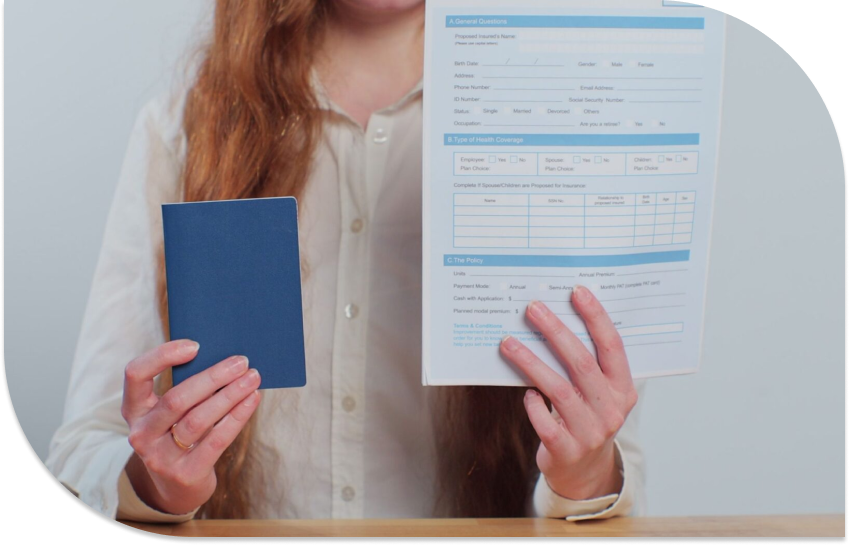
Student Visa
- In order to study in Canada, you will need to obtain a Canadian study permit, which serves as a Canadian student visa for the duration of your stay. You do not need a Canadian study permit if your course or program lasts six months or less. Nonetheless, it may be a good idea to apply for a permit before you come to Canada anyway – otherwise if you decide you want to continue your studies in another program, you’ll need to leave Canada to apply for a study permit through a visa office.
- Once you have a Canadian study permit, you can apply to renew it from within Canada if you decide to continue your studies. For full-time students registered at an accredited higher education institution, a study permit also allows you to work part-time on campus. You may also be able to work off-campus, work as a co-op or intern as part of your program, stay in Canada as a permanent resident or find work after you graduate.
Applying for a Canadian study permit:
You can apply for a Canadian study permit either online or through a paper application, which can be obtained from the Citizenship and Immigration Canada (CIC) website. Paper applications typically take about twice as long, and it’s always recommended to check the processing times well in advance. To apply online, you’ll need a credit/debit card and the ability to create electronic copies of your supporting documents (i.e. using a scanner or camera). The visa office in your country will provide specific instructions about which documents you need to provide; this can vary depending on your location. If you need assistance, you can get help at your nearest visa application center (VAC).
The process for obtaining a Canadian student visa is as follows:
- You must first obtain a standardized letter of acceptance from a recognizedhigher education provider. Students studying in Quebec must also apply for a certificate of acceptance, known as a CAQ, from the government of Quebec. You must acquire this before you are permitted to apply for a study permit. You can get this online, by printing out a form, or by requesting a paper form from your university, which will also provide advice on this subject.
- The next stage is to get a Canadian student visa application package, either from the CIC websiteor by contacting your local visa office, or the Canadian embassy or consulate in your home country. You may also need to obtain a temporary residence permit if you are from a designated country (find out if you need to get one here), but this will not complicate matters too much as it’ll be processed at the same time as your study permit application.
- In order to get your application package you’ll need to answer a few questions about yourself on the CIC website. These questions will determine whether you are eligible to apply online for a Canadian student permit, and what documents you’ll need to provide.
- If you are found eligible, you will receive a personal checklist code, valid for 60 days, which you will need in order to submit your application online. Make sure to print out the page containing your code for future reference. The page will also include an application guide, an estimated tuition fees amount, a list of documents you will need to submit with your application, and guidelines for your next steps.
- When you are ready to apply, create a My CIC account, where you will enter your personal checklist code. You will then receive your personal document checklist, which allows you to upload and send your documents to CIC. You’ll need a printer or a scanner to do this.
- Once you have your documents and application form ready and have paid your fees, you can submit your completed application to CIC.
- Some applicants may have to attend an interview at their local visa office.
Additional Canadian student visa requirements:
Some or all of the following additional Canadian student visa requirements may also apply:
- Applicants from Europe, the Middle East or Africa may need to provide biometrics (photograph and fingerprints).
- Some applicants may also need to get a medical exam and/or police check before submitting their application. You will not be able to get a study permit if you have a criminal record – you may be asked to provide a Police Clearance Certificate as proof.
- Unless you’re from the USor St. Pierre and Miquelon, you will need to prove you have a valid passport which allows you to return to your country of origin after your course is complete. Two passport-sized pictures are also required, with your name and date of birth written on the back.
- Canadian student visa requirements also include proof of funds to support yourself. At present this is deemed to be CA$10,000 (~US$7,650) for every year of your stay (CA$11,000/~US$8,400 if you’re applying to study in Quebec) on top of your tuition fees. You will also need to make sure you have enough money to pay for transportation to return home.
To prove you have this money, you can provide any of the following documents: bank statements, evidence of a Canadian account in your name if the money’s been transferred, a bank draft in a convertible currency, proof of payment of tuition and accommodation fees, a letter from a person or institution providing you with money, or proof of funding paid from within Canada if you have a scholarship or are undertaking a Canadian-funded program.
Applying through the Student Direct Stream
Canada recently introduced the Student Direct Stream, which students from China, India, the Philippines or Vietnam can apply for in order to get their study permit faster. The requirements are similar to the regular study permit, although there are stricter language requirements – you need to have an IELTS score of at least 6, or a 7 in the Niveaux the Compétence Linguistique Canadiens for French, or have graduated from a Canadian-curriculum high school. If you don’t meet the requirements for the Student Direct Stream but do meet them for the regular study permit, your application will be reviewed for the regular study permit option and you won’t get faster processing.
Next steps after applying:
If and when your Canadian student visa application is approved, you’ll receive a Port of Entry (POE) Letter of Introduction, while students from countries, which require an Electronic Travel Authorization (eTA), and/or a temporary residence visa will be issued these if required. The eTA will be linked to your passport. It is important that you travel with the passport you used when you applied for your study permit. The eTA will be valid for five years or until your passport expires, whichever comes first.
Present these along with your passport, proof of your finances and your letter of acceptance (and any other documents that you’ve been advised to take) to the Canada Border Services Agency (CBSA) in Canada, who will then issue your Canadian study permit and allow you access into Canada.
Working while you study in Canada:
If you’d like to get a part-time job to help support yourself while studying in Canada, you can now qualify to work on or off-campus for up to 20 hours during university semesters and full-time during breaks such as the winter or summer holidays, without the need for a work permit.
To qualify, you must:
- Have a valid study permit
- Be a full-time student
- Be enrolled at a designated learning institution at post-secondary level or, in Quebec, a vocational program at secondary level
- Be studying in an academic, vocational or professional training program that leads to a degree, diploma or certificate that is at least six months in duration.
You will also need a Social Insurance Number (SIN) from Service Canada to work in Canada or to receive benefits and services from government programs.
Your study permit will become invalid 90 days after you have completed your study program, so you’ll need to acquire a post-graduation work permit if you want to stay in Canada after your studies and seek work. This is valid for three years. For advice on finding a job after university, please download our guide.
Study in Canada:
Canada, with its stunning landscapes, vibrant cities, and world-class education system, has become a preferred destination for international students seeking high-quality education. In this guide, we will explore the compelling reasons to choose Canada as your study abroad destination and provide essential information to make your academic journey a success.
Why Study in Canada?
- Academic Excellence: Canada is home to top-ranked universities known for their rigorous academic standards and research contributions.
- Cultural Diversity: Canadian campuses are incredibly diverse, providing a rich cultural experience and an opportunity to network with people from all over the world.
- Safe and Welcoming: Canada is consistently ranked as one of the safest countries globally, and its welcoming, inclusive society ensures a comfortable stay for international students.
- Quality of Life: High living standards, excellent healthcare, and a clean environment make Canada an attractive place to live and study.
- Immigration Opportunities: Canada offers various pathways for international students to transition to permanent residency, making it an excellent choice for those seeking to settle in the country.
Quick facts:
- Canada boasts over 100 universities and colleges.
- English and French are the official languages, with English being the primary language of instruction.
- International students can work part-time during their studies and gain valuable work experience through post-graduation work permits.
- Canada’s natural beauty, including national parks, mountains, and lakes, offers endless opportunities for outdoor adventures.
Careers & Industry Insights:
Canada’s strong economy and diverse industries present graduates with numerous career opportunities. Fields such as technology, healthcare, finance, and engineering are in high demand. Cities like Toronto, Vancouver, and Montreal are known for their bustling job markets and are home to many multinational corporations.
Popular Courses:
- Information Technology: Canada’s tech sector is booming, and computer science, software engineering, and data science programs are highly sought after.
- Business Administration: Canadian business schools offer world-class MBA programs and undergraduate degrees in business management.
- Engineering: Canada’s universities are known for their engineering programs, covering fields like civil, mechanical, and electrical engineering.
- Health Sciences: With a robust healthcare system, Canada is an excellent place to study medicine, nursing, or public health.

Business Visa
Aimed at persons with relevant experience in world-class athletics or cultural activities or with farm management experience, who have the intention and ability to become self-employed in Canada.
Startup Visa:Aimed at successful business owners or part-owners with significant experience who have the intention and ability to own and manage a business in Canada, which generates revenues and employment. The business must be supported by an organization on Canada’s Start-up Visa Designated Organizations List.
Immigrant Investor Visa: Aimed at those with a personal net worth of at least $10 million CND, and willing to make an at-risk investment of at least $2 million CND into Canada’s Immigrant Investor Venture Capital fund. This category is not always available, and was temporarily closed on December 30th
Employer Sponsored Visa
Temporary Foreign Worker Program (TFWP)
The Temporary Foreign Worker Program (TFWP) allows Canadian employers to hire foreign nationals to fill temporary labour shortages. The program is used when qualified Canadian citizens or permanent residents are not available for specific roles.
Key Features of TFWP:
- Temporary Work Permit: Allows foreign nationals to work in Canada temporarily.
- Labor Market Impact Assessment (LMIA): Employers must first obtain a positive LMIA, showing there is a need for a foreign worker, and no Canadians are available to fill the position.
- Work Permit Duration: The duration depends on the job offer, with most permits lasting up to 2 years.
Eligibility Criteria:
- Job Offer: You must have a valid job offer from a Canadian employer.
- LMIA Approval: The employer must obtain LMIA approval before you can apply.
- Work Experience: You must have the required skills and experience for the job.
International Mobility Program (IMP)
The International Mobility Program (IMP) allows Canadian employers to hire foreign workers without the need for an LMIA. This program is aimed at addressing broader economic and cultural interests, such as facilitating international trade agreements and international mobility.
Key Features of IMP:
- LMIA Exemption: No LMIA is required for jobs under this program.
- Various Streams: Includes streams like Intra-Company Transfers, Global Skills Strategy, and NAFTA professionals.
- Temporary Work Permits: Work permits under the IMP are typically short-term, depending on the role.
Eligibility Criteria:
- Job Offer: A valid job offer from a Canadian employer is required.
- LMIA Exemption: The job offer must qualify under the IMP as LMIA-exempt.
- Specialised Skills: Applicants must have the necessary qualifications and skills for the job.
Provincial Nominee Program (PNP)
The Provincial Nominee Program (PNP) allows Canadian provinces and territories to nominate individuals for permanent residency based on regional labor needs. Employers can sponsor foreign workers to fill skilled positions that are in demand within their region.
Key Features of PNP:
- Permanent Residency Pathway: Provides a route to permanent residency for foreign workers.
- Provincial Sponsorship: Provinces nominate foreign workers to meet specific labour market demands.
- Employer Support: Employers must support the application by offering a valid job offer.
Eligibility Criteria:
- Provincial Nomination: You must receive a nomination from a participating Canadian province or territory.
- Job Offer: A valid job offer in a skilled occupation is required.
- Work Experience: You must have the required qualifications and work experience for the job.
Atlantic Immigration Program (AIP)
The Atlantic Immigration Program (AIP) is designed to address labor shortages in Canada’s Atlantic provinces: Newfoundland and Labrador, Prince Edward Island, Nova Scotia, and New Brunswick. It offers a pathway to permanent residency for foreign workers and international graduates.
Key Features of AIP:
- Permanent Residency: Allows foreign workers to apply for permanent residency.
- Employer-Driven: Employers in the Atlantic provinces can hire foreign workers without an LMIA.
- Fast-Track Processing: The program offers faster processing times for work permits and permanent residency.
Key Features of AIP:
- Job Offer: You must have a valid job offer from an employer in one of the Atlantic provinces.
- Education and Experience: Applicants must meet the education and work experience requirements.
- Language Proficiency: Proof of English or French language proficiency is required.
Express Entry Program - Employer Sponsored Pathway
The Express Entry Program is Canada’s primary immigration system for skilled workers. Employers can support foreign workers' permanent residency applications by providing job offers in skilled occupations, giving applicants additional points in the Express Entry system.
Key Features of Express Entry:
- Permanent Residency: Provides a pathway to permanent residency for skilled workers.
- Comprehensive Ranking System (CRS): A valid job offer can add points to your CRS score, improving your chances of receiving an invitation to apply.
- Job Offer Support: While a job offer is not required for Express Entry, it can significantly boost your chances of success.
Eligibility Criteria:
- Skilled Job Offer: A valid offer of employment in a skilled occupation can increase your CRS score.
- Work Experience: Applicants must have relevant work experience in a skilled occupation.
- Language Proficiency: Proof of English or French language proficiency is required.


Transit Visas
The UK Transit Visa is for foreigners who are not from the EEA (EU countries, including Iceland, Liechtenstein and Norway) or Switzerland, and are using the UK as a transit country to pass from another country to their destination. This visa offers the opportunity to apply for a long-term transit visa if the applicant has enough evidence that he needs to travel regularly through UK to arrive at his destination, but has no intention to stay or live there permanently. Such long-term transit visas can be given from 1 to 10 years long.
Categories of Transit visas- Direct Airside Transit Visa (DATV) – for those who have to change flights in the UK without leaving the airport
- Visitor in Transit Visa – for foreigners who have to leave the airport and take another means of travel, of making a part of their traveling through the land. This visa can be valid for up to 4 days.


Family Visas
The UK Family Visa is issued to visit family members in the UK. This Visa type is for people who have family members working and living in the UK and want to join them for more than six months, as their dependents. The dependents can be husband or wife (spouse), partner, fiancé, fiancée or proposed civil partner, children, parents, other family members.
Categories of Family visas- UK Spouse visa
- UK Parent visa
- UK Child visa

Tourist and Visiting visas
The UK is a very popular tourism destination, for shorter or even longer periods of visits. The UK Visitor Visas are issued for short stays, tourism visits and similar purposes. UK authorities rarely do issue a tourism visa for a longer period than six months. The foreign nationals are prohibited from getting a job inside UK with this type of visa, just as with many other types.
Short business trips are handled kind of the same way.
Categories tourist and visiting visas- Marriage Visitor Visa
- Parent of a Tier 4 (Child) Student Visa
- Permitted Paid Engagement Visa
- Short-term Study Visa
- UK Visitor Visa
- Visa for a Chinese Tour Group

Student visas
These types of visas are issued to international students who want to study in the UK.
Categories of student visas
- Tier 4 (Child) Student Visa
- Tier 4 (General) Student Visa
- Short Term Study Visa
We provide personalized guidance and support throughout the visa application process, ensuring students understand requirements, procedures, and documentation needed for a successful application.
Expert Counselling:Our team of experienced counselors offers expert advice on visa options, eligibility criteria, and strategies to maximize chances of approval, tailored to each student's unique circumstances and aspirations.
Application Assistance:We assist students in completing visa application forms accurately and efficiently, minimizing errors and optimizing submission readiness.
Document PreparationWe help students gather and organize necessary supporting documents, ensuring compliance with visa regulations and enhancing application credibility.
Interview Preparation:Through mock interviews and guidance sessions, we prepare students to confidently tackle visa interviews, addressing potential questions and concerns to increase their chances of success.
Study in United Kingdom:The United Kingdom (UK) has a rich history of academic excellence and is renowned for its prestigious universities, cultural diversity, and global opportunities. In this guide, we will explore the compelling reasons to consider the UK as your study abroad destination and provide essential information to help you embark on your academic journey.
Why Study In UK?- World-Class Universities:The UK is home to some of the world’s top-ranked universities, known for their academic rigor, research contributions, and high-quality teaching.
- Cultural Diversity: British campuses are incredibly diverse, creating an inclusive and multicultural environment that encourages global perspectives.
- Shorter Duration: Many UK undergraduate programs can be completed in three years, while postgraduate degrees often take just one year, allowing you to enter the workforce or pursue further studies sooner.
- Language Advantage:English is the primary language of instruction, providing an opportunity to enhance your language skills, a valuable asset in the global job market.
- Historical and Cultural Significance: The UK’s rich history, vibrant arts scene, and diverse cultural offerings make it a unique and enriching place to study and live.
- The UK boasts over 150 universities and higher education institutions.
- London, the capital of the UK, is a global financial and cultural hub.
- The UK is known for its strong focus on research, making it an excellent choice for students pursuing academic careers.
- The country offers a wide range of scholarships and financial aid options for international students.
The UK offers a plethora of career opportunities across various industries. London, in particular, is a global financial center, while other cities like Manchester and Edinburgh excel in technology, healthcare, and creative industries. Graduates from UK universities are highly sought after by employers worldwide.
Popular Courses- Business and Management: UK universities offer excellent business and management programs, including MBAs and undergraduate degrees.
- Engineering: Renowned for its engineering programs, the UK offers degrees in various engineering fields, including mechanical, electrical, and civil engineering.
- Medicine and Healthcare: The UK is known for its medical schools and healthcare programs, making it an attractive destination for aspiring doctors and healthcare professionals.
- Creative Arts: Institutions like the Royal College of Art and the Royal Academy of Dramatic Art (RADA) offer world-class programs in the creative arts, including fine arts, drama, and design.

Work and Business Visas
Besides of its strict rules, not allowing to get a job many of the visa holders, the UK also offers Working Visas especially for high-end professionals from other countries who wish to work and live in the UK for shorter or longer periods.
Categories of work and business visas- Highly qualified foreigners:
- Global Talent Visa
- Skilled foreign workers with a job offer in a shortage area
- Tier 2 (General) Visa
- Tier 2 (Intra-company Transfer) Visa
- Tier 2 (Sportsperson) Visa
- Tier 2 (Minister of Religion) Visa
- Youth mobility and temporary foreign workers
- Tier 5 (Temporary Worker) Visa
- Tier 5 (Youth Mobility Scheme) Visa
- Other:
- Croatian National Registration Certificate
- Domestic Workers in a Private Household Visa
- Exempt Vignette Visa
- Turkish Worker Visa
The UK Business Visa types are the following:
- Tier 1 Entrepreneur Visa
- Tier 1 Graduate Entrepreneur Visa
- Tier 1 Investor Visa
- Turkish Businessperson Visa

Europe
Europe, with its rich history, diverse cultures, and world-class education, has long been a favored destination for international students seeking a global academic experience. In this guide, we will explore the reasons why studying in Europe is a compelling choice and provide valuable information to help you navigate your educational journey across this diverse continent.
Why Study in Europe?- Academic Excellence: Europe is home to many prestigious universities known for their high academic standards, cutting-edge research, and centuries-old traditions.
- Cultural Diversity: European campuses are incredibly diverse, fostering a multicultural environment that encourages cross-cultural understanding and personal growth.
- Language Opportunities: Europe offers a wide range of programs in various languages, allowing students to learn or improve language skills, including English, French, German, Spanish, and more.
- Travel and Exploration: Studying in Europe provides easy access to travel, allowing you to explore different countries, cultures, and historical landmarks during your studies.
- Work Opportunities: : Many European countries permit international students to work part-time during their studies and offer post-graduation work options, enhancing career prospects.
- Europe is home to some of the world’s oldest universities, including the University of Bologna in Italy, founded in 1088.
- English is commonly used as the language of instruction in many European universities, especially for postgraduate programs.
- Europe’s higher education system is known for its research contributions and interdisciplinary studies.
- Scholarships and financial aid opportunities are available for international students through various European institutions and programs.
Europe’s diverse economies offer graduates numerous career opportunities across various industries, including technology, engineering, healthcare, finance, and the arts. European cities like London, Paris, Berlin, and Zurich are global business hubs with thriving job markets.
Popular Courses- Engineering: European universities are renowned for engineering programs, covering fields such as mechanical, electrical, and civil engineering.
- Business and Management: Europe offers a wide range of business-related programs, including MBAs and undergraduate degrees in business administration and finance.
- Science and Research: Europe is at the forefront of scientific research, making it an excellent choice for students pursuing careers in various scientific disciplines.
- Arts and Humanities: Europe’s rich cultural heritage makes it an ideal destination for students interested in the arts, humanities, and social sciences.


Study in France
Study in France – Your Path to World-Class Education
France is a top destination for international students, offering world-renowned universities, rich cultural experiences, and opportunities in diverse fields of study. Whether you’re looking to study art, science, engineering, or business, France provides an ideal environment for academic and personal growth.
Why Study in France?
France is one of the most sought-after destinations for international students, known for its high-quality education, cultural heritage, and global influence. Here’s why studying in France can be a game-changer:
- World-Class Education: Home to globally ranked universities and elite institutions like Sorbonne University, HEC Paris, and École Polytechnique.
- Affordable Tuition: Lower tuition fees compared to many other countries, with generous scholarships for international students.
- Cultural Experience: Immerse yourself in France’s rich history, art, and culture, with opportunities to learn or enhance your French language skills.
- Global Career Hub: France is a leader in sectors like fashion, technology, business, and culinary arts, offering plenty of opportunities for internships and jobs after graduation.
Quick Facts:
- Number of International Students: Over 300,000 students from around the world study in France each year.
- Top Student Cities: Paris, Lyon, Toulouse, and Montpellier.
- Language of Instruction: Programs available in both French and English, particularly at the postgraduate level.
- Work Opportunities: Students can work part-time (up to 20 hours per week) while studying.
- Scholarships: Available through programs like the Eiffel Scholarship and Campus France.
Careers & Industry Insights:
Studying in France can open doors to thriving industries and global careers. France’s economy is robust in sectors like:
- Fashion & Luxury Goods: Paris is the fashion capital of the world, home to major brands like Louis Vuitton, Chanel, and Dior. Graduates in design, fashion management, and luxury marketing find lucrative opportunities.
- Engineering & Technology: France is a hub for innovation in sectors such as aerospace (home to Airbus), automotive (with companies like Renault and Peugeot), and renewable energy.
- Business & Finance: French business schools are renowned worldwide, and the country is a major financial centre, with multinational companies offering global careers.
- Hospitality & Culinary Arts: France’s reputation in culinary arts and hospitality management is unmatched, providing extensive career paths for students in these fields.
Popular Courses
France offers a broad range of courses, with programs in both English and French across various disciplines. Some of the most popular fields of study include:
- Business & Management: Study at top business schools like INSEAD and ESSEC.
- Engineering & Technology: Programs in areas such as aerospace, IT, and renewable energy at institutions like CentraleSupélec.
- Fashion & Design: Courses in fashion design, luxury brand management, and textiles at schools like Institut Français de la Mode.
- Arts & Humanities: Pursue studies in art history, philosophy, and literature at prestigious universities like Sorbonne University.
- Hospitality & Culinary Arts: Specialise in hospitality management or culinary arts at renowned schools like Le Cordon Bleu.

Study in Germany
Study in Germany – A World-Class Education with Global Opportunities
Germany is a leading destination for international students, offering a combination of high-quality education, innovative research, and attractive career prospects. Whether you’re interested in engineering, business, or the arts, studying in Germany can be your gateway to success.
Why Study in Germany?
Germany is one of the most popular destinations for international students, known for its high-quality education, cutting-edge research, and affordable tuition. Here’s why Germany stands out:
- Top-Quality Education: Germany’s universities, such as Ludwig Maximilian University of Munich, Technical University of Munich, and Heidelberg University, are globally ranked for their academic excellence.
- Tuition-Free Education: Most public universities in Germany charge little to no tuition fees for undergraduate and many graduate programs, even for international students.
- Strong Research Focus: Germany is a leader in scientific and technological research, offering excellent opportunities for those looking to excel in STEM fields.
- Vibrant Student Life: With historic cities, cultural diversity, and a welcoming environment, Germany offers an enriching student experience.
- Global Career Opportunities: As the largest economy in Europe, Germany offers abundant job prospects in leading industries for international graduates.
Quick Facts:
- Number of International Students: Over 350,000 international students currently study in Germany.
- Language of Instruction: Many undergraduate programs are in German, but a growing number of master’s programs are offered in English.
- Work Opportunities: Students can work part-time (up to 20 hours per week) and are allowed to stay in Germany for up to 18 months after graduation to find employment.
- Tuition Fees: Public universities typically offer free or low-cost education, charging only administrative fees (around €250 per semester).
Careers & Industry Insights:
Germany is known for its robust economy, offering excellent job prospects in several industries:
- Engineering & Manufacturing: Germany is a global leader in engineering, particularly in automotive, mechanical, and electrical engineering. Major companies like BMW, Siemens, and Bosch provide job opportunities for graduates.
- Technology & IT: Germany has a strong tech ecosystem, with a thriving startup culture in cities like Berlin and Munich. Opportunities abound in areas like software development, artificial intelligence, and cybersecurity.
- Research & Development: Home to cutting-edge research institutions like Max Planck Society and Fraunhofer Society, Germany is at the forefront of innovation in fields such as biotechnology, renewable energy, and materials science.
- Business & Finance: With global companies headquartered in cities like Frankfurt, Germany is a major financial hub. Graduates in business, finance, and economics have ample opportunities in multinational corporations and startups.
Popular Courses
Germany offers a wide range of programs, with a focus on research and practical experience. Some of the most popular courses among international students include:
- Engineering: Courses in mechanical, automotive, electrical, and civil engineering are highly sought after, especially at RWTH Aachen and Technical University of Berlin.
- Business & Management: Germany’s business schools, such as Mannheim Business School and WHU – Otto Beisheim School of Management, offer globally recognized MBA and management programs.
- Computer Science & IT: Programs in data science, artificial intelligence, and cybersecurity are popular, especially at institutions like Technical University of Munich.
- Natural Sciences: Chemistry, biology, and physics programs at universities like Heidelberg University are highly regarded for their research facilities.
- Architecture & Design: With a rich history in design and innovation, programs in architecture and industrial design are well-received at schools like Bauhaus University Weimar.

Study in Italy
Study in Italy – Explore a Rich Academic and Cultural Experience
Italy is not only known for its breathtaking landscapes and history, but also for its academic excellence. Whether you're drawn to arts, fashion, or engineering, studying in Italy offers a unique blend of tradition and modern innovation.
Why Study in Italy?
- World-Renowned Universities: Italy is home to some of the oldest and most prestigious universities, such as University of Bologna, Sapienza University of Rome, and Politecnico di Milano.
- Affordable Education: Tuition fees in Italy are comparatively low, and numerous scholarships are available for international students.
- Rich Cultural Heritage: Immerse yourself in Italy’s rich art, architecture, and cultural heritage, while enjoying its world-famous cuisine and lifestyle.
- Diverse Academic Programs: From the humanities to cutting-edge science and technology, Italy offers diverse programs at all levels of education.
- Strategic Location: Located in the heart of Europe, Italy provides access to travel and networking opportunities throughout the continent.
- Post-Study Opportunities: Italy’s strong economy offers opportunities in sectors like fashion, design, engineering, and more for international graduates.
Quick Facts
- Number of International Students: Over 90,000 international students choose Italy each year.
- Tuition Fees: Tuition fees at public universities range from €900 to €4,000 per year, depending on the program and university.
- Scholarships: Numerous scholarships are available, including the Italian Government Scholarships and university-specific aid.
- Language of Instruction: Many programs are offered in English, particularly at the master’s level.
- Cost of Living: The average monthly living costs range from €700 to €1,200, depending on the city.
- Work Opportunities: International students can work part-time (up to 20 hours per week) while studying.
Careers & Industry Insights
Italy’s economy is diverse, offering a wealth of job opportunities in several industries:
- Fashion & Design: Italy is the global epicentre of fashion and design, home to world-renowned brands like Gucci, Prada, and Armani. Graduates in fashion, design, and luxury management have a competitive edge in this booming industry.
- Architecture & Arts: Known for its historical architecture and cultural contributions, Italy is a fantastic destination for students in architecture, fine arts, and art history.
- Engineering & Automotive: Italy boasts a strong engineering and manufacturing sector, especially in the automotive industry with brands like Ferrari, Fiat, and Lamborghini.
- Hospitality & Tourism: As a major tourist destination, Italy offers abundant opportunities in hospitality and tourism management.
- Culinary Arts: Italy is synonymous with exceptional cuisine, and its culinary schools offer top-tier training for aspiring chefs and hospitality professionals.
Popular Courses
Italy offers a wide range of academic programs that appeal to both local and international students. Some of the most sought-after courses include:
- Fashion & Design: Italy’s fashion institutes, such as Istituto Marangoni and Polimoda, are globally recognized for their programs in fashion design, styling, and luxury brand management.
- Architecture & Urban Planning: Study innovative and historical architectural practices at institutions like Politecnico di Milano and University of Florence.
- Engineering: Italy’s technical universities, such as Politecnico di Torino and University of Naples Federico II, offer top programs in civil, mechanical, and aerospace engineering.
- Arts & Humanities: Italy’s universities are renowned for programs in art history, literature, and philosophy, particularly at Sapienza University of Rome and University of Bologna.
- Culinary Arts: Learn from the masters of Italian cuisine at schools like ALMA – The International School of Italian Cuisine and Apicius – International School of Hospitality.

Study in Lithuania
Study in Lithuania – Your Gateway to Quality Education in Europe
Lithuania, a hidden gem in the Baltic region, offers a unique blend of high-quality education, rich history, and vibrant culture. As an increasingly popular destination for international students, studying in Lithuania presents numerous opportunities for personal and professional growth.
Why Study in Lithuania?
- High-Quality Education: Lithuanian universities, such as Vilnius University and Kaunas University of Technology, offer excellent academic programs recognized worldwide.
- Affordable Tuition Fees: Tuition fees in Lithuania are relatively low compared to Western Europe, making it an attractive option for budget-conscious students.
- Cultural Experience: Experience a blend of Eastern and Western European culture, with a rich history, beautiful architecture, and a welcoming atmosphere.
- English-Taught Programs: Many universities offer a wide range of programs in English, especially at the master’s level, making it accessible for international students.
- Growing Economy: Lithuania's economy is steadily growing, providing various job opportunities in sectors like IT, finance, and engineering for graduates.
- Vibrant Student Life: Enjoy a lively student community with numerous events, clubs, and cultural activities to engage in.
Quick Facts
- Number of International Students: Over 18,000 international students from more than 100 countries study in Lithuania.
- Tuition Fees: Average tuition fees range from €1,500 to €6,000 per year, depending on the program and university.
- Cost of Living: Monthly living costs typically range from €400 to €800, depending on the city and lifestyle.
- Work Opportunities: International students can work part-time (up to 20 hours per week) during the academic year and full-time during breaks.
- Scholarships: Various scholarship programs are available for international students, including those offered by universities and the Lithuanian government.
- Language of Instruction: While Lithuanian is the official language, many programs are offered in English.
Careers & Industry Insights
Lithuania’s dynamic economy is rich in opportunities across several sectors:
- Information Technology: Lithuania has rapidly become a tech hub in Europe, with a strong focus on software development, cybersecurity, and fintech. Companies like TransferGo and Vinted are leading players in the industry.
- Engineering: The engineering sector is robust, with opportunities in mechanical, civil, and electrical engineering, particularly in cities like Kaunas and Vilnius.
- Finance & Business: Vilnius is an emerging financial centre, attracting international companies and startups, creating opportunities for graduates in finance and business management.
- Biotechnology & Life Sciences: Lithuania has a growing biotech sector, with research and development opportunities in pharmaceuticals and healthcare.
- Tourism & Hospitality: With its rich history and beautiful landscapes, Lithuania's tourism sector offers various career paths in hospitality management and tourism services.
Popular Courses
Lithuanian universities offer a wide array of programs across various fields. Some popular courses among international students include:
- Business Administration: Programs focusing on international business, finance, and management are popular, especially at Vilnius University and ISM University of Management and Economics.
- Information Technology: IT programs, including software engineering, data science, and cybersecurity, are widely available at universities like Kaunas University of Technology.
- Engineering: Mechanical, electrical, and civil engineering courses are offered at institutions such as Vilnius Gediminas Technical University.
- Social Sciences: Programs in psychology, sociology, and political science are well-regarded, particularly at Mykolas Romeris University.
- Arts & Humanities: Study fine arts, design, and literature at universities like the Vilnius Academy of Arts.

Work Employment
Tourist Visa
Visitor Visa
Business Visa
Student Visa
Skilled Immigration
Employer Sponsor Visa
Training Visa
Family Visa
Visitor Visa
Business Visa
Skilled Immigration
Tourist Visa
Student Visa
Express Entry
Tourist Visa
Student Visa
Business Visa
Employer Sponsored Visa
Transit Visas
Family Visas
Tourist & Visiting Visas
Student Visas
Work & Business Visas
Study in Europe
Study in France
Study in Germany
Study in Italy
Study in Lithuania